
threat assessment evaluations and consultation
increase safety factors and decrease risk factors
Organizations today operate in environments where concerning behavior must be responded to. A troubling email. Escalating hostility. Fixation on grievances. Behavioral changes that feel significant and are difficult to interpret.
The challenge is rarely whether something is concerning. The challenge is understanding what it means and what to do next.
Dr. Leite provides behavioral threat assessment evaluations and consultation to schools, corporations, legal professionals, faith-based organizations, and multidisciplinary safety teams. Her role is not to predict violence — no professional can do that. Her role is to help organizations evaluate behavior through a structured, research-informed lens so that decisions are proportionate, defensible, and preventive.
Threat assessment is a systematic process. It involves gathering relevant information, identifying patterns, contextualizing behavior, and assessing dynamic and static risk factors. It requires attention to intent, capability, stressors, protective factors, and the broader environment in which behavior unfolds.The goal is to increase safety factors and decrease risk factors. The challenge is doing that in an effective and compassionate manner for the person of concern and the rest of the community.

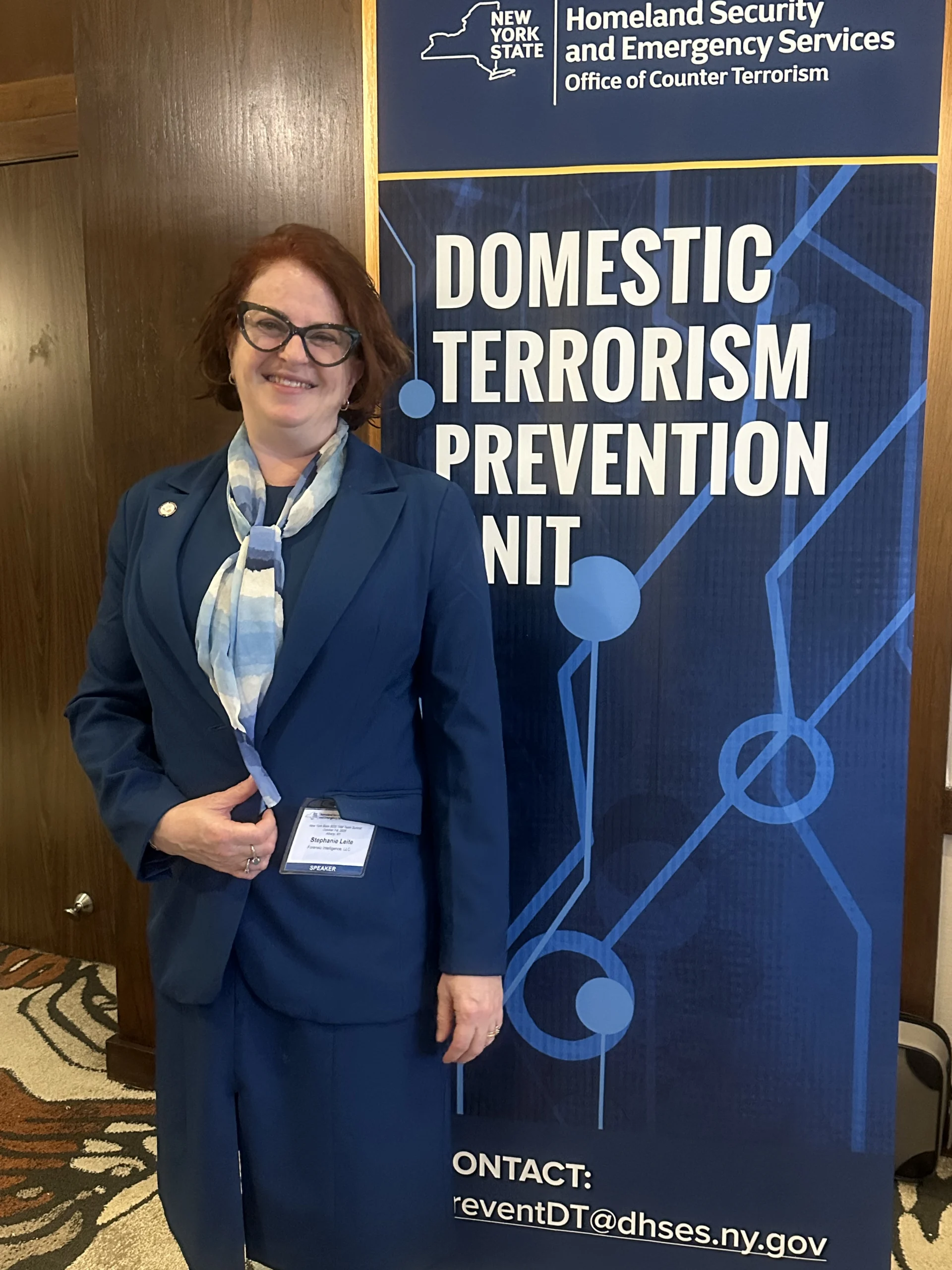
Dr. Leite works collaboratively with internal teams to clarify referral questions, organize information, and identify next steps. In some cases, consultation may involve reviewing documentation and providing written guidance. In others, it may be a full threat evaluation or psychological evaluation, involving more extensive evaluation of an individual of concern. Every engagement is shaped by the needs of the referring organization and the context in which decisions must be made.
Her approach emphasizes proportionality. Overreaction can be as harmful as inaction. Effective threat management balances safety with fairness, accountability with dignity. When organizations respond thoughtfully, they strengthen both security and culture.
Clients value her ability to synthesize complex information into clear guidance. Rather than leaving teams overwhelmed with data, she provides structured conclusions and practical recommendations. The goal is not simply to identify risk — it is to reduce it.
Threat assessment is most effective when it is integrated into a broader culture of awareness, communication, and accountability. Dr. Leite often works with organizations not only on specific cases but also on refining protocols, clarifying team roles, and strengthening long-term practices.
If your organization is facing a concerning situation or seeking to strengthen its threat assessment framework, consultation can provide clarity, direction, and confidence.